North America:1 (800) 942-7767
International:+1 (937) 778-4200

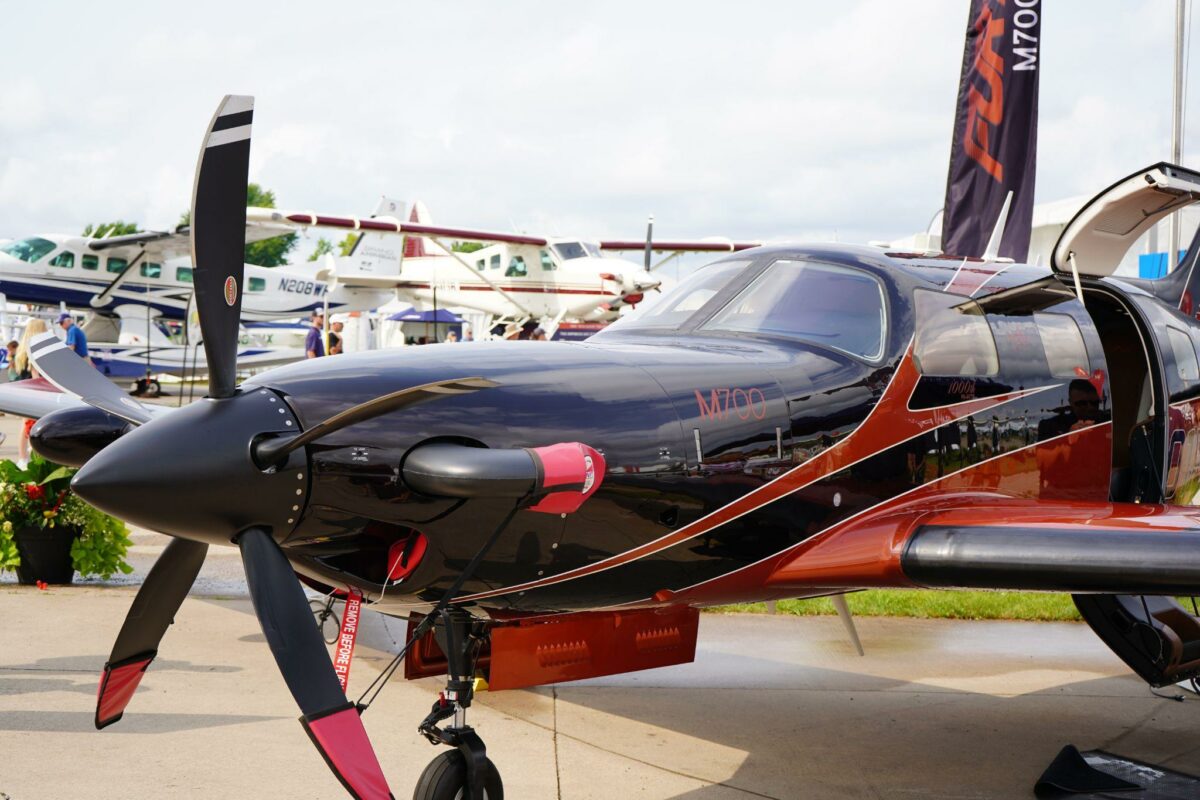

There’s a question we receive quite often here at Hartzell Propeller:
Like many responses you’ll hear from engineers, the answer is: “It depends.” When comparing aircraft propellers, blade count is often one of the first differences people notice. After all, aesthetics and ramp appeal matter.
It might be easy to assume that the more propeller blades on an airplane, the better. However, the reality is more nuanced. The ideal propeller blade count depends on a complex combination of factors, and our engineers and designers weigh the benefits with every design.
Today we’re diving deeper into the details, and explaining what owners and operators should consider when comparing airplane propeller options.
When we say more blades aren’t necessarily better, it’s because “better” is subjective. When it comes to airplane propellers, “better” could refer to any number of factors, including cost, weight, maintenance, performance, or noise.
At Hartzell, we strive to provide the best solution for all those requirements based on the owner’s or operator’s priorities. The best propeller, and the best number of blades, may vary for the same airplane based on who is flying it and their specific flying mission.
So, when customers ask our team about the best propeller blade count for their airplane, we ask a few questions in return:
Knowing the aircraft and engine combination allows us to quickly identify ideal propeller options for certified or experimental airplanes.
Different missions come with different goals. We take the time to understand our customers’ typical flight mission and performance goals such as:
When it comes to propeller blade count, there are many myths and misconceptions. Let’s clear up a few of them:
Here’s the truth: Adding more propeller blades means adding more to the normal workload of owning and maintaining your aircraft.
There will always be some trade-offs to adding more blades:
Now, this doesn’t mean that additional blades are completely undesirable. It simply means each blade must earn its way onto the propeller by providing a meaningful benefit that outweighs the potential drawbacks for the given application and mission.
Generally speaking, as aircraft engine power increases, and if diameter is constrained, additional propeller blades can help efficiently utilize the increased power. Turboprops are a clear example of this effect, offering the highest horsepower per blade diameter, which is why they tend to have more blades.
From an engineering perspective, increasing propeller diameter can deliver greater performance benefits than adding another blade, until constraints such as clearance or noise dictate diameter restrictions.
Similarly, performance is often better with fewer blades at an existing diameter than with more blades at a smaller diameter.
Blade count is not an independent variable. Blade count is one variable of many with respect to the overall propeller system design.
When designing an aircraft propeller, engineers must balance several constraints and competing objectives, including:
Put simply, the “correct” answer to the propeller blade count question needs to take into account the complete aircraft system and the aerodynamic environment of the airplane, its operating environment, and use case.
The “best” number of propeller blades is therefore the fewest blades that can efficiently accomplish the aircraft’s mission within its design constraints.
Eventually, more blades mean diminishing returns and escalating compromises, not better performance. That’s why Hartzell configures our props with different blade counts depending on the application and mission. We add blades only when doing so adds meaningful benefits, not just aesthetic appeal.
|
Factors to Consider |
Impact of Adding Propeller Blades |
|
Performance |
Adding blades provides less performance benefit than increasing diameter, until diameter is limited by ground/structural clearance or noise. |
|
Engine power |
As aircraft engine power increases, additional propeller blades can help efficiently utilize the increased power and produce thrust, if diameter is constrained. Often, small increases of power do not warrant the addition of a blade. |
|
Weight |
Adding blades always adds weight with a fixed material system. The only way to mitigate this is to incorporate a material change at the same time.
|
|
Cost |
More blades drive up overall lifecycle costs, including initial purchase price, ongoing maintenance, and scheduled overhauls. |
|
Maintenance |
Adding more blades can increase complexity and potential downtime during maintenance and repairs. |
Choosing the right propeller for your airplane means looking beyond blade count and aesthetics. When you know the facts, you can avoid compromising on the priorities that matter most to you and your mission.
At Hartzell Propeller, our aircraft propeller experts take the time to understand your aircraft and engine combination, typical flying mission, and performance goals.
We’ll help you compare the available options and find the propeller solution that helps you get the most from your aircraft.
Explore our Top Prop propeller STC upgrade options or contact our team today!